

Blender, a popular open-source 3D creation suite, has received continuous support from AMD over the years. AMD’s commitment to both the Blender Development Fund and the Blender Code Base has established the company as a long-standing supporter of the Blender community. In April 2021, Blender made a significant announcement regarding a complete rewrite of their default renderer, Cycles, which led to a crucial change affecting AMD users directly. This article explores the impact of this decision, AMD’s response, and the exciting advancements that emerged from their collaboration with Blender.
The Removal of OpenCL Rendering Support
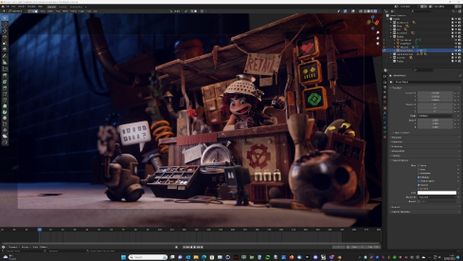
Blender’s decision to rewrite Cycles was met with widespread enthusiasm from the Blender community. However, the removal of OpenCL rendering support for AMD GPUs caused concern among AMD users. Blender justified this step as a means to enhance technical aspects and overall performance. Unfortunately, this left AMD users without dedicated GPU support within Blender.
The Advent of HIP: Bringing AMD Support Back
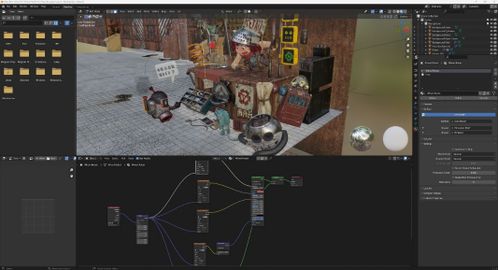
In response to the removal of OpenCL rendering support, AMD introduced a new solution called the Heterogeneous Interface for Portability (HIP) API. By leveraging the HIP architecture, Blender was able to reintroduce support for AMD hardware in version 3.0 and beyond. This reinstatement was met with relief by the Blender community using AMD GPUs, as they could now fully utilize the enhancements found in Cycles X, such as improved hair and fur rendering, micro-jittering support, and enhanced ambient occlusion handling.
Expanding Possibilities with HIP RT
Building upon the foundation of HIP, AMD introduced HIP RT (Ray Tracing) to enable developers to harness the power of dedicated ray accelerators in RDNA 2 and RDNA 3 architecture-based GPUs. This technology was made available in the public 3.6 beta version of Blender. Early tests have shown that Blender 3.6 with HIP RT performs up to 27% faster on the Radeon™ RX 7900XTX GPU compared to Blender 3.5.1 with HIP running on the same hardware. The inclusion of HIP RT opens up new avenues for real-time ray tracing, providing AMD users with enhanced performance and rendering capabilities.
Radeon™ ProRender: AMD’s Own Render Engine
In addition to HIP and HIP RT, AMD offers its own render engine called Radeon™ ProRender. Developed to adhere to open industry standards, Radeon™ ProRender provides artists with a physically based engine that rivals other renowned engines like VRay and Arnold. This powerful engine is available as a plugin for Blender and seamlessly integrates into versions 2.80 and above for Microsoft Windows®, macOS®, and Linux®. By utilizing Radeon™ ProRender, artists can achieve stunning visual results for various projects, including product designs, architectural visualizations, and visual effects.
Cementing a Strong Partnership
AMD’s continuous support and development efforts for Blender, through HIP, HIP RT, and Radeon ProRender, exemplify their commitment to a lasting partnership. The planned support for USD (Universal Scene Description) and MaterialX compatibility will further solidify AMD’s position within the Blender community. Additionally, the integration of hardware ray tracing capabilities ensures that artists have the necessary speed and capabilities from their graphics cards. As a result, AMD users can look forward to a bright future, characterized by cutting-edge technology and enhanced creativity within the Blender ecosystem.

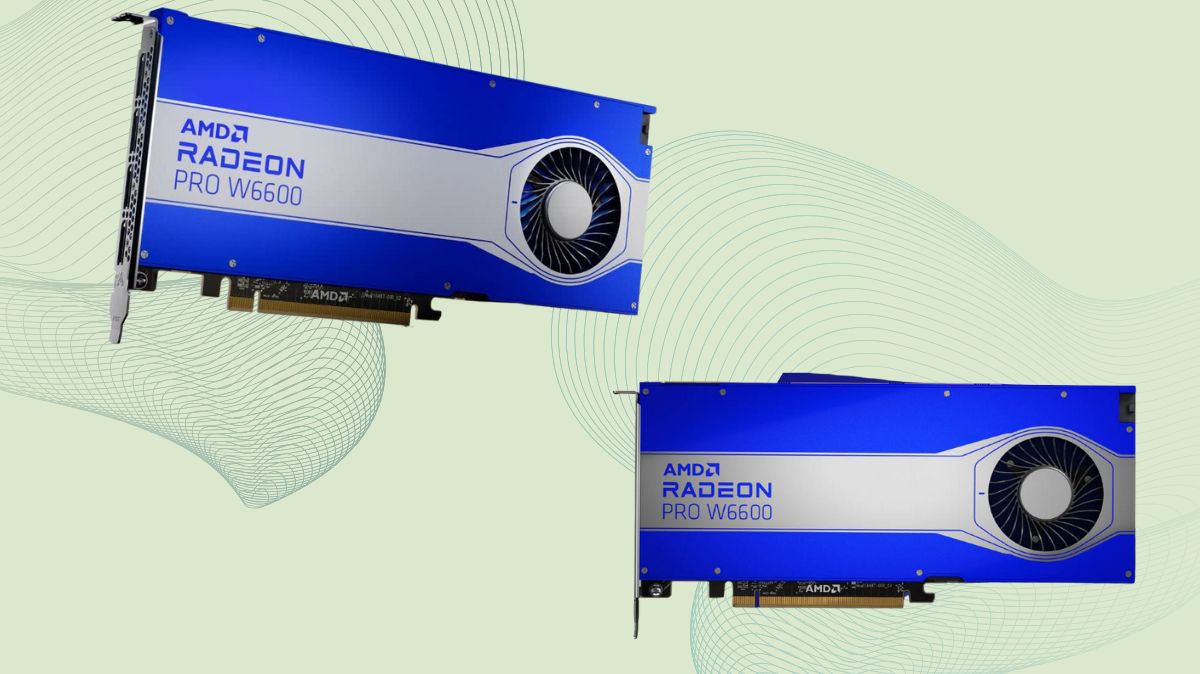
AMD Radeon Pro W6600 Benchmark in CAD, Video Editing
Introduction As professional high-performance computing needs change, GPUs let engineers, developers, and creative professionals do more in less time. AMD, a well-known semiconductor company, has been gaining ground in the professional Graphic Cards market with Radeon Pro. AMD Radeon Pro W6600, a mid-tier but strong solution for CAD(Computer-Aided Design), video, entertainment, and visualization, Professionals wishing
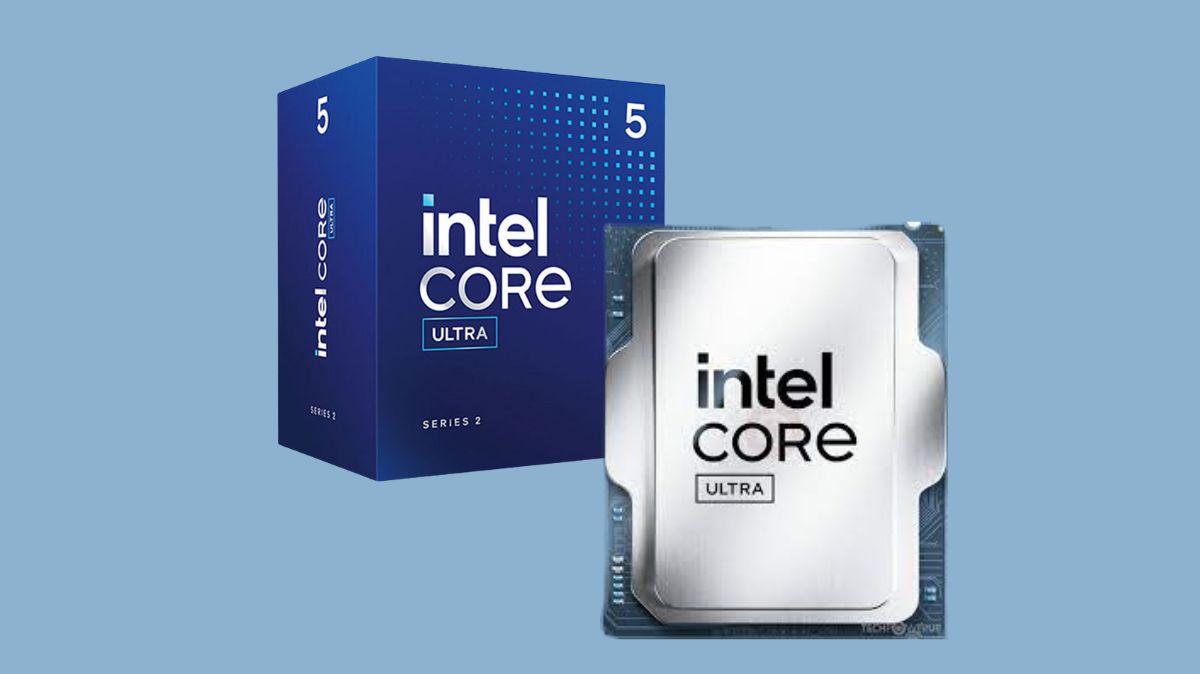
Intel Core Ultra 5 225H Performance for Everyday Tasks
Ultra 5 Processor 225H The Intel Core Ultra 5 225H’s architecture, features, performance, advantages and disadvantages, cost, and benchmarks are all covered in detail here: Architecture Gaming Performance Advantages Disadvantages Use Cases Intel Core Ultra 5 225H – AI Features Feature Description Intel AI Boost NPU A dedicated Neural Processing Unit (NPU) for efficient on-device
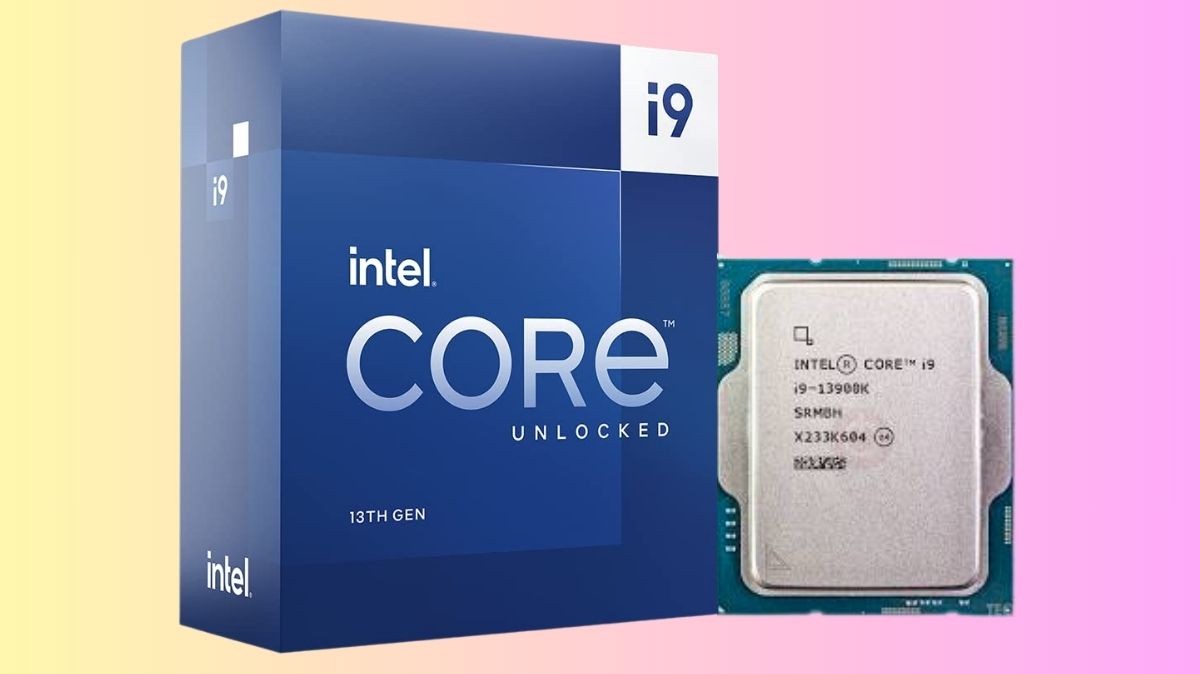
Intel Core i9 13900K Price, Benchmark, and Specifications
In this blog, we’ll talk about the Intel Core i9 13900K price, specifications, and benchmark. Introduction The flagship model in Intel’s 13th generation Raptor Lake desktop CPU family is the Core i9-13900K . Performance-driven content creators, gamers, and enthusiasts use it. The 13900K boosts Intel’s high-performance desktop CPU lineup with more cores and better clock rates
Conclusion
AMD’s unwavering support for Blender and its community has established the company as a trusted partner. The introduction of HIP, HIP RT, and Radeon ProRender has revitalized AMD’s presence within Blender, addressing the concerns of AMD users while enabling them to explore new possibilities in 3D rendering. As AMD continues to innovate and collaborate with Blender, artists can expect even more exciting advancements, ensuring that AMD remains the hardware of choice for Blender artists.

[…] AMD officially supports AMD GPUs dating all the way back to the RX 5000 series for FSR 3, there is a chance that Fluid Motion Frames […]
[…] this time, the Radeon graphics cards were at the top of the Linux gaming rankings. They were followed by Nvidia’s GeForce RTX 30 […]